


 info@bukhlaw.com
 (718) 797-1961
 Recent Posts



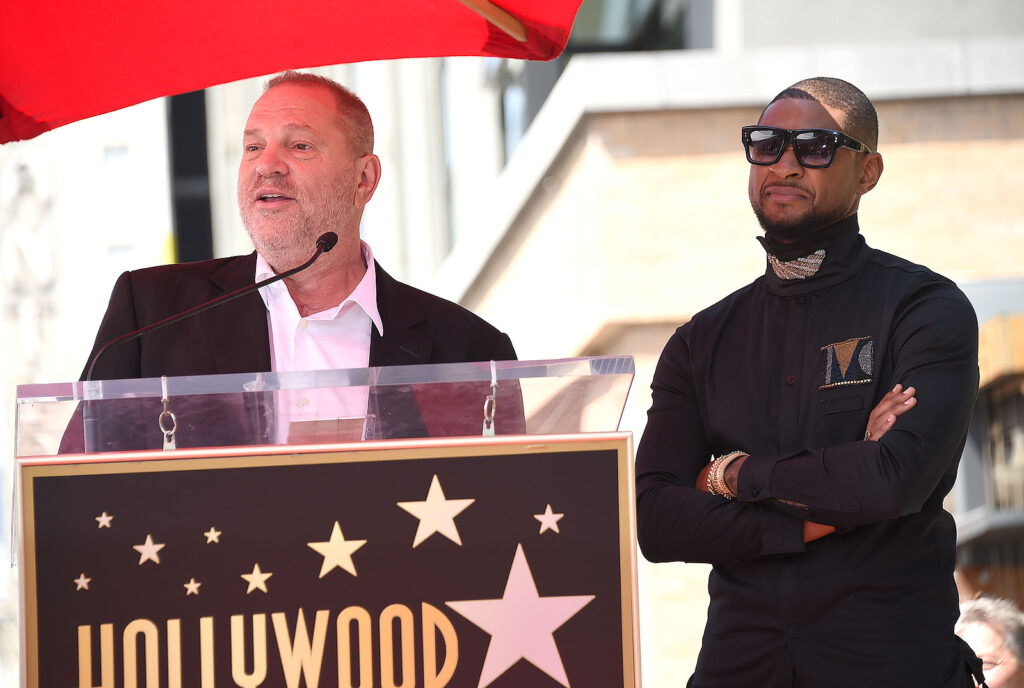
Harvey Weinstein Sentenced to 15 Years in New York Sex Crime Case

A federal judge in New York has locked in a June 1, 2027, trial date for former Venezuelan president Nicolás Maduro and his wife on drug trafficking charges.
Judge Alvin K. Hellerstein set the schedule Wednesday after both sides agreed on the timeline. Defense lawyers will start filing challenges to the indictment in early September, and oral arguments are planned for November 17.
Where the Case Stands
Maduro, 63, and Cilia Flores, 69, have been held in a Brooklyn jail since U.S. forces took them from their home in Caracas earlier this year and brought them to New York. Both have pleaded not guilty. If a jury convicts them of helping move large amounts of cocaine into the United States, they could face life in prison.
Neither spoke during the short hearing. Maduro looked thinner than in past public appearances, wore a jail uniform, greeted court staff, spoke quietly with his lawyers, and took notes while listening through a Spanish interpreter.
What the Defense Plans to Argue
Maduro’s attorney has said the first big challenge will focus on sovereign immunity. Other questions about how he was captured and whether U.S. courts have the authority to try him are also expected before any trial starts. The couple has not asked to be released on bail.
Prosecutors claim Maduro worked with Venezuelan officials and traffickers to move cocaine into the United States. Maduro has called himself a political prisoner and denied the charges.
How Cases Like This Usually Play Out in Court
American judges have long said that if a defendant is physically here, the court has the power to hear the case, even if the person was grabbed overseas or brought in by force. This idea goes back to two old Supreme Court cases from 1886 and 1952 (known together as the Ker-Frisbie doctrine).
The Court stuck with it in 1992 when it allowed the trial of a Mexican doctor who had been kidnapped and flown to the United States.
The same rule applied after U.S. forces grabbed Manuel Noriega in Panama in 1989. In short, how the person got here almost never stops the trial from going forward. There’s a narrow exception for truly extreme mistreatment, but courts almost never use it.
Heads of state don’t automatically get a free pass.
Defense lawyers for foreign leaders often argue that their client should be immune because they were (or claimed to be) a head of state. U.S. courts have usually rejected that argument when the charges involve serious personal crimes like drug trafficking. Judges treat those acts as private conduct, not official government business.
Noriega tried the immunity claim and lost. Legal experts watching Maduro’s case say the same logic will probably apply here, especially since the U.S. government has refused for years to recognize him as Venezuela’s legitimate president.
Seeking Experienced Legal Defense in Brooklyn
A person involved with complicated jurisdictional questions, international elements, or serious conspiracy allegations needs clear guidance from the start. Decisions made early about motions, evidence, and strategy can shape the entire case.
Here at Bukh Law P.A., our attorneys have handled serious federal and state criminal matters across New York City. We look carefully at the government’s evidence, protect clients’ rights, and build strategies around the actual facts of each case.
Schedule a free phone call with our team now by leaving your contact information on our website. We’ll go over the details of your situation and help you see what realistic options are available.